Westchester Emergency HVAC: Port Chester Homeowners’ Guide to 24/7 Help
When your home’s comfort fails in the middle of the night or during a sweltering heatwave, knowing exactly who to call and what to expect can make all the difference. This guide for Port Chester homeowners explains how Westchester emergency HVAC support works, what to do when you have a no cooling emergency, and how to prepare so you can get fast, reliable results—day or night.
What qualifies as an HVAC emergency? An HVAC issue becomes an emergency when it risks safety, property damage, or major discomfort that can cause health concerns. In Port Chester and greater Westchester County, homeowners commonly face:
- No cooling during a heatwave AC repair NY scenario (especially for infants, seniors, or those with medical conditions) No heat in freezing temperatures Electrical burning smells or smoke from the air handler or condenser Water leaks that could damage ceilings, walls, or flooring System short-cycling, breaker trips, or unusual loud noises that suggest imminent failure
If you’re unsure whether it’s urgent, reputable providers of 24/7 HVAC services can often triage by phone and advise whether you need after-hours HVAC repair or if it’s safe to schedule next-day service.
How 24/7 HVAC services operate in Port Chester Emergency HVAC companies in Westchester maintain on-call technicians trained to diagnose and stabilize issues quickly. Here’s what to expect:
- Rapid intake: A live dispatcher or on-call tech gathers details, confirms your address, and sets an arrival window. Safety screening: You’ll be asked to turn off breakers or the gas supply if there’s a risk of damage or fire. Diagnostic on arrival: The technician checks power, thermostat settings, filters, airflow, refrigerant pressures, and electrical components. Stabilize and restore: If parts are on the truck, they’ll perform same-day AC repair or temporary fixes to get you comfortable. If a specialty part is required, they’ll secure it and return promptly. Transparent pricing: Clear estimates before work begins, including any after-hours service premiums.
Key scenarios and how to handle them 1) No cooling emergency in peak summer
- Immediate steps: Check your thermostat settings (cool mode, correct set point), replace or clean filters, confirm breakers aren’t tripped, and ensure the outdoor unit has 2–3 feet of clearance. Likely causes: Clogged filters, dirty condenser coils, frozen evaporator coils, low refrigerant due to leaks, or failed capacitors/contactor. What pros do: Inspect electrical components, test pressures and temperatures, clear drains, clean coils, and fix leaks when possible. Providers offering urgent HVAC service or fast AC repair Port Chester will prioritize calls during heat waves.
2) Water around the indoor unit
- Immediate steps: Turn off the system to prevent further leaks and ceiling damage. Place a container or towels to catch water. Likely causes: Clogged condensate drain, failed condensate pump, or frozen coil thawing. What pros do: Clear and flush the drain line, repair or replace the pump, check refrigerant charge and airflow to prevent refreeze.
3) Burning smell or repeated breaker trips
- Immediate steps: Shut off power at the breaker and do not restart. Likely causes: Motor failure, shorted wiring, failing capacitor, or debris in the blower. What pros do: Perform electrical diagnostics, replace faulty components, and verify safe operation before restoring power. This is an ideal case for after-hours HVAC repair.
4) Heatwave AC repair NY considerations
- Hydration and ventilation: While waiting for service, use fans, close blinds, and stay hydrated. Priority dispatch: Legitimate Westchester emergency HVAC providers triage high-risk households first; disclose any medical needs when you call. System protection: Avoid running an AC that’s icing over; this can damage the compressor. Turn to “Fan Only” to encourage coil thawing until help arrives.
What makes a provider reliable for residential emergency HVAC?

- True 24/7 coverage: Live answering and on-call techs, not just voicemail after hours. Stocked service vehicles: Common parts like capacitors, contactors, fan motors, fuses, and condensate pumps on hand for same-day AC repair. Licensed and insured: Proper Westchester and New York State credentials, plus EPA-certified techs for refrigerant handling. Clear communication: Upfront estimates, written invoices, and transparent after-hours rates. Strong local references: Reviews that mention punctuality, professionalism, and the ability to restore comfort quickly in Port Chester. Safety-first culture: Techs who check carbon monoxide risks on heating calls, verify electrical safety, and protect your property.
How to prepare your home before the tech arrives
- Clear access: Move furniture or items blocking the thermostat, indoor air handler, and outdoor condenser. Pets: Secure pets for the technician’s safety. Documentation: Have your system brand, model, and any warranty info ready. Symptoms timeline: Note when the problem began, noises or smells noticed, and any troubleshooting you performed.
Preventing emergencies with smart maintenance
- Seasonal tune-ups: Spring AC and fall heat checks reduce breakdowns and improve efficiency. Filter changes: Replace standard 1-inch filters every 1–2 months during heavy use. Clean coils and drains: Keep outdoor coils free of debris; have indoor coils and condensate drains inspected annually. Thermostat habits: Avoid large temperature swings that stress the system; consider a smart thermostat for gradual setpoint changes. Ductwork and airflow: Seal and insulate ducts as needed to maintain proper static pressure and comfort.
Costs and expectations for Westchester emergency HVAC
- Service call fees: After-hours and holidays can carry a premium. Ask for the trip charge, diagnostic fee, and hourly rates up front. Parts and labor: Common emergency parts—capacitors, contactors, and fuses—are typically affordable; motors, control boards, and refrigerant issues can cost more. Temporary vs. permanent fixes: In some cases, the tech will stabilize your system and return with specialty parts during business hours to reduce costs. Replacement decisions: If your system is old and facing major repairs, a trustworthy company will present repair-versus-replace options with clear ROI, utility rebate info, and timeframes.
Why local matters for fast AC repair Port Chester Local teams know area building codes, typical home layouts, and common system brands installed in Port Chester. This familiarity speeds diagnosis and ensures parts availability. It also means better accountability—neighbors vouch for service quality, and companies rely on community reputation.
When to call immediately
- Sudden no cooling emergency during extreme heat Electrical smells, smoke, or visible sparking Water actively leaking from the air handler or ceiling System won’t start and breaker trips repeatedly
A clear plan for your next HVAC emergency
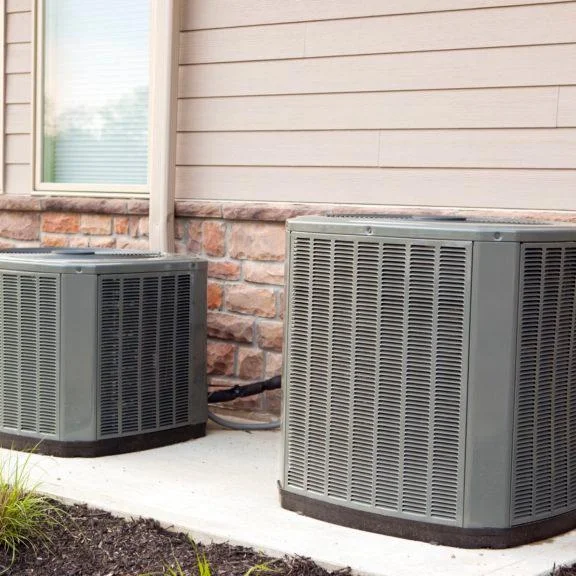
- Save contacts: Store a trusted provider offering 24/7 HVAC services and Westchester emergency HVAC in your phone. Create a checklist: Thermostat check, filter check, breaker check, clear the area. Know your system: Brand/model, age, recent service history. Communicate clearly: Describe symptoms, smells, sounds, and when they started.
FAQs
Q: How fast can I get emergency AC repair Port Chester during a heatwave? A: In peak demand, triage prioritizes health risks and active leaks. Many companies offer same-day AC repair, with arrival windows ranging from 2 to 6 hours. Calling early improves your position.
Q: Is after-hours HVAC repair more expensive? A: Typically yes. Expect a higher diagnostic fee and possibly premium labor rates. Ask for upfront pricing and whether a temporary fix can reduce costs until business hours.
Q: What can I do while https://ac-lifesaving-guide-for-home-repair-planning-help.bearsfanteamshop.com/westchester-county-hvac-services-port-chester-s-top-rated-ac-pros waiting for urgent HVAC service? A: For cooling, set the fan to On, close blinds, run portable fans, hydrate, and avoid cooking or heat-generating appliances. For leaks, turn off the system and contain water. For electrical smells, shut power at the breaker and wait outside if necessary.
Q: How do I avoid another no cooling emergency? A: Schedule seasonal maintenance, change filters regularly, keep outdoor units clear, and address small issues promptly. Proactive care greatly reduces the need for residential emergency HVAC.
Q: When should I consider replacement instead of repair? A: If your unit is 10–15 years old with frequent breakdowns, major component failures (compressor, coil), or poor efficiency, a quote for replacement may offer better long-term value, comfort, and reliability.